For decades, the rule was simple: get your tax return in the mailbox by April 15, and you've met your deadline. Most taxpayers and business owners have operated on that assumption without giving it a second thought.
As of December 24, 2025, that assumption no longer holds, and ignoring this change could expose you to penalties you didn't see coming, even if you did everything right on your end.
Here's what changed, why it matters, and what you should do about it.
What Changed and Why It Matters
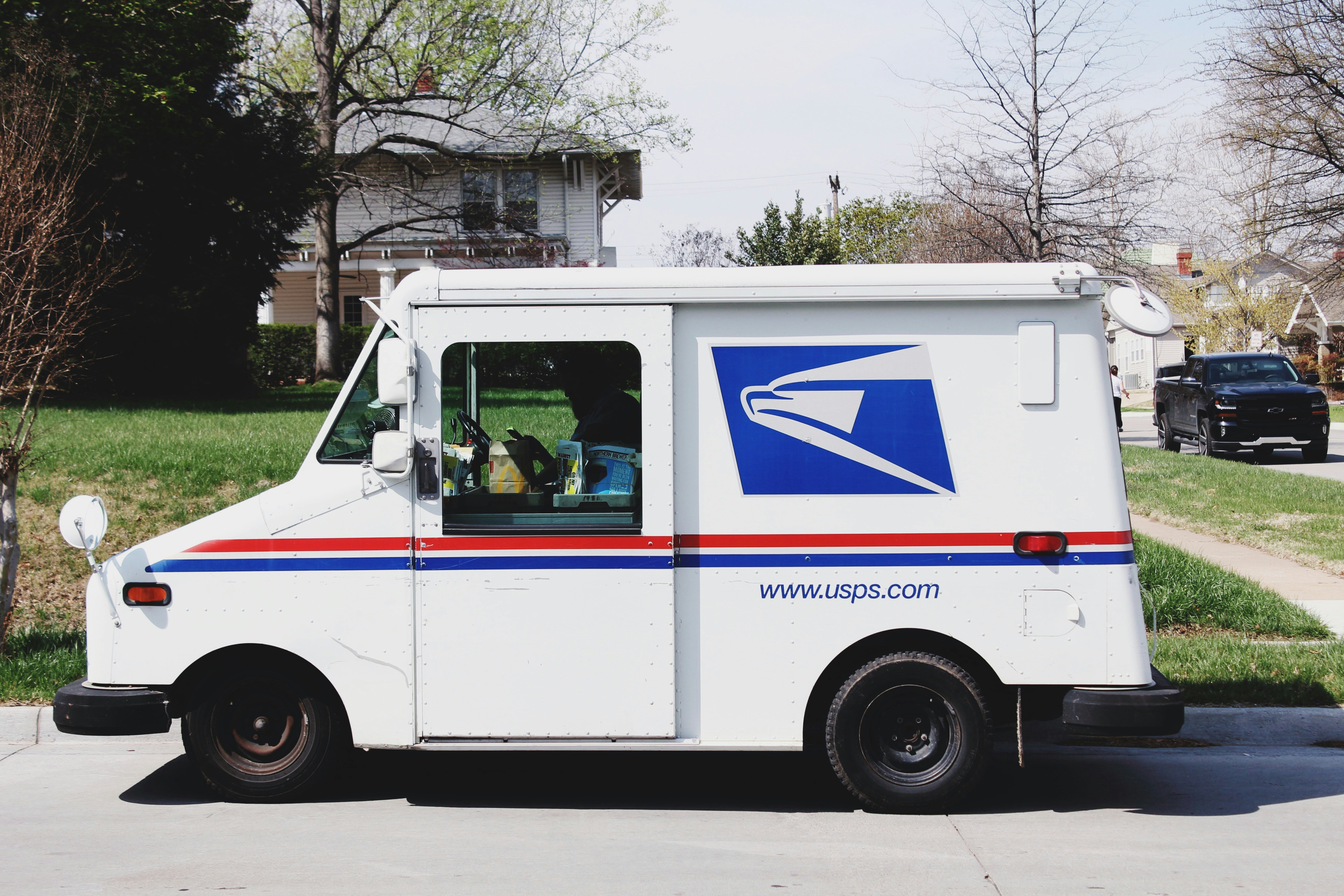
The United States Postal Service updated the way it applies postmarks to mailed items. Under the new procedures, machine-applied postmarks now generally reflect the date mail is processed at a regional facility — not the date you dropped it in a local mailbox or post office.
For everyday mail, that's a minor inconvenience. For tax filings, it's a meaningful problem.
The IRS follows what's commonly known as the "timely mailing equals timely filing" rule: for federal tax purposes, timeliness is determined by the postmark date, not when you actually placed the envelope in the mail. That means if your return, extension, or payment receives a postmark dated after the filing deadline — even because of a processing delay outside your control — penalties and interest may apply.
Which Filings Are Affected?
The short answer: most time-sensitive tax documents sent by mail. That includes federal and state income tax returns, extension requests, estimated tax payments, and elections or other correspondence with a hard deadline.
This isn't a hypothetical concern limited to a narrow set of taxpayers. Business owners who make quarterly estimated payments by check, individuals who regularly file paper returns, and anyone who has ever mailed an extension request close to the deadline should take this seriously.
What You Should Do Now
The good news is that the fix is straightforward. Here's what we recommend:
1. File electronically whenever possible. E-filing provides immediate confirmation of receipt and eliminates postmark uncertainty entirely. If you're not already filing electronically, now is the time to make the switch. The IRS maintains a full overview of e-file options for individuals and businesses.
2. Pay electronically when you can. Electronic payments are timestamped at the moment of submission, not when they clear a processing facility. This creates a clear, documented record of timeliness that paper payments simply can't match.
3. If you must mail something near a deadline, get documented proof of mailing. Options include Certified Mail, Registered Mail, a Certificate of Mailing, or requesting a manual postmark at the retail counter. Note that Certified Mail won't change how USPS processes your envelope — but it does create important evidence of when the item was mailed, which matters if a dispute ever arises.
4. Don't mail on the final day. Building in a buffer has always been good practice. Now it's essential. Mailing a return or payment a few days before the deadline is meaningfully safer than it was even a year ago.
Frequently Asked Questions
If I drop my return in a mailbox on April 15, is it considered filed on time? Not necessarily. If the item isn't processed at a regional facility until April 16 or later, the postmark may reflect that later date. Tax deadlines are based on the postmark, not when you placed the envelope in the mail.
Does this apply to payments and extensions, not just returns? Yes. Payments, extension requests, elections, and other time-sensitive submissions are generally subject to the same postmark-based timeliness rules.
Is electronic filing truly safer? Yes. E-filing provides immediate confirmation and removes postmark uncertainty from the equation entirely. For most taxpayers, it's the cleanest solution.
Our Recommendation
Whenever possible, submit tax filings and payments electronically. If mailing is necessary, document your mailing date, use a service that provides a receipt, and give yourself more time than you think you need.
If you have questions about your specific situation, or if you want to make sure your upcoming deadlines are protected, reach out to our team. We're happy to help you navigate this and choose the safest approach for your filings.